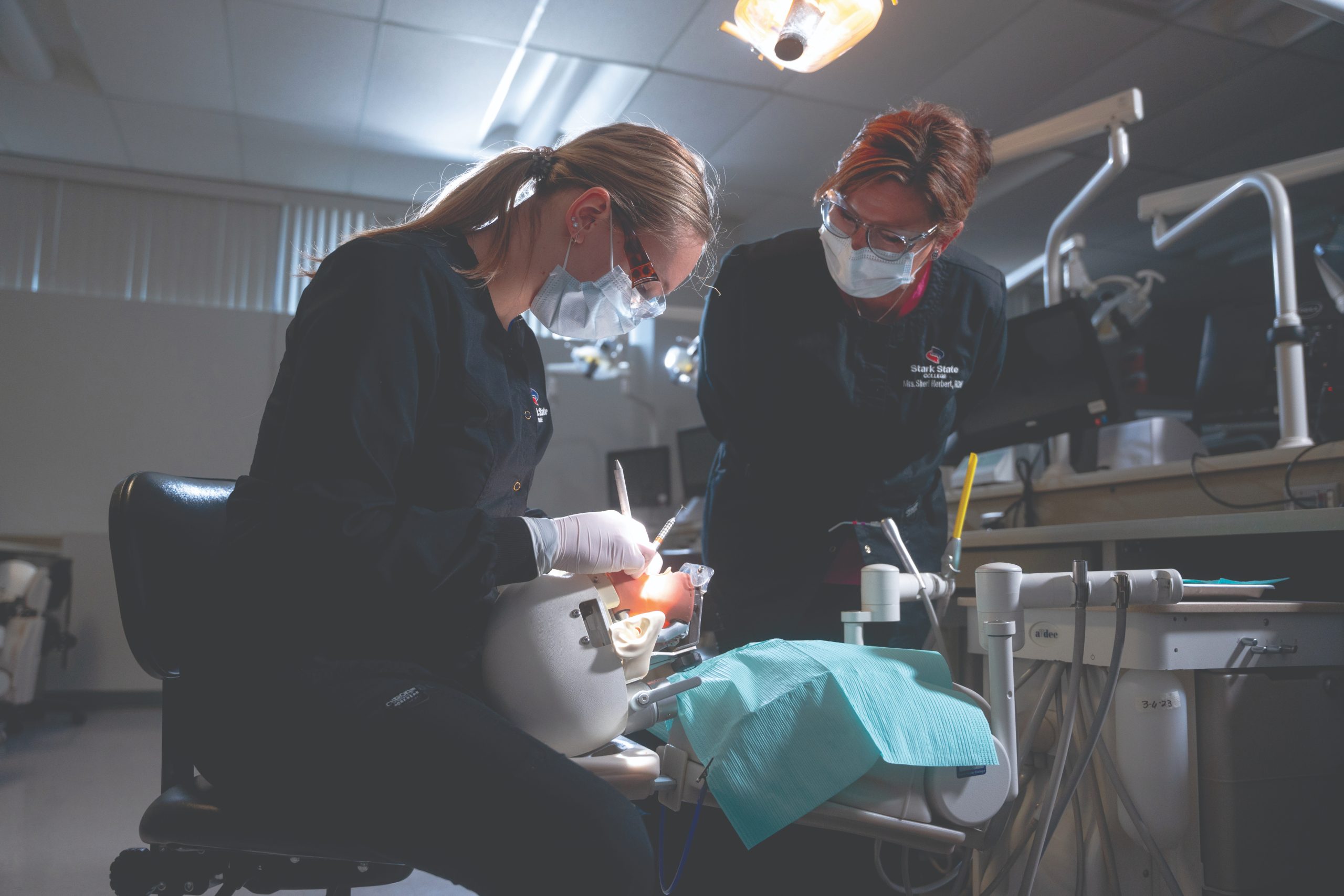
Medical laboratory technology
Want a career in healthcare, but prefer a microscope over a stethoscope? A career in medical laboratory technology may be just what you’re looking for. You’ll provide critical analysis and testing that doctors and patients rely on.
Program at a glance
DEGREE TYPE
Associate of Applied Science
PROGRAM FORMAT
In person*
LENGTH (FULL TIME)
5 semesters
Program overview
Your career in healthcare starts in the lab
Laboratory testing plays an important part in the detection, diagnosis and treatment of many diseases. As a medical lab tech, you’ll serve as a critical member of the healthcare team, whether that’s in a hospital, doctor’s office or research lab.
Program details
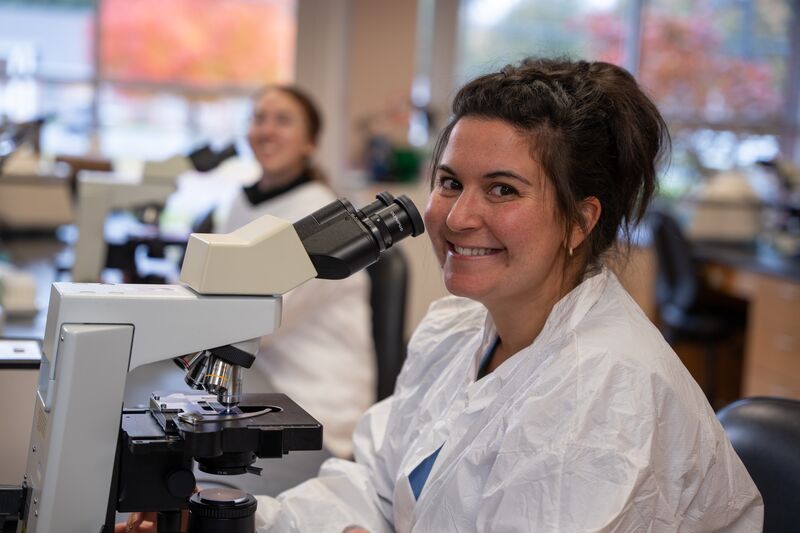
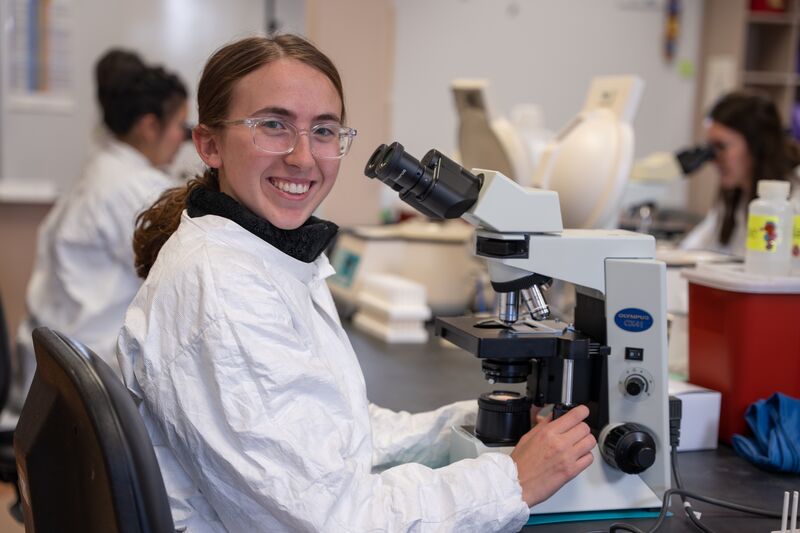
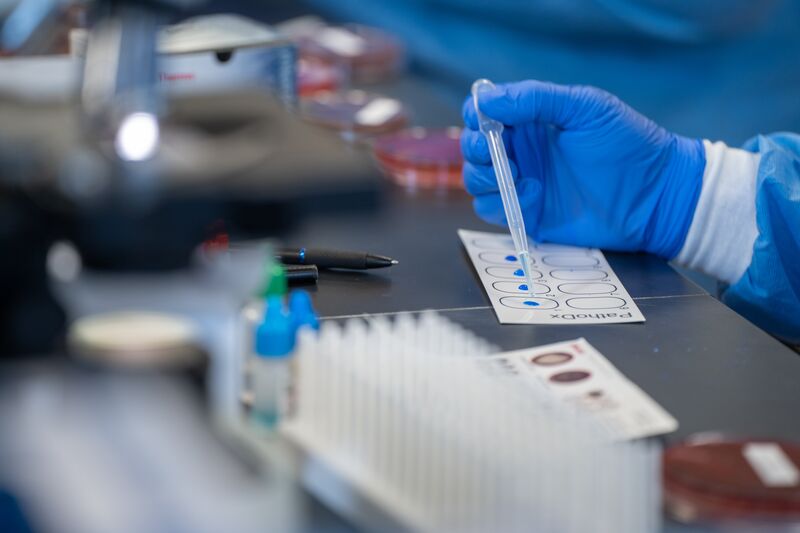
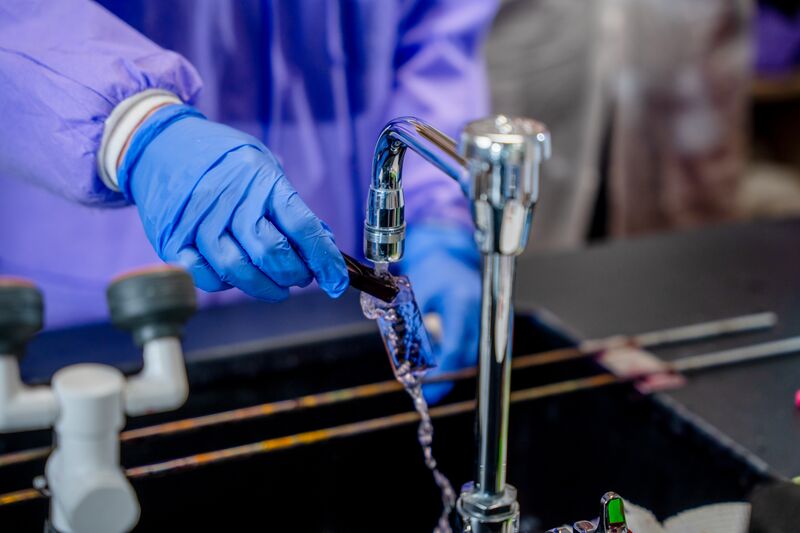
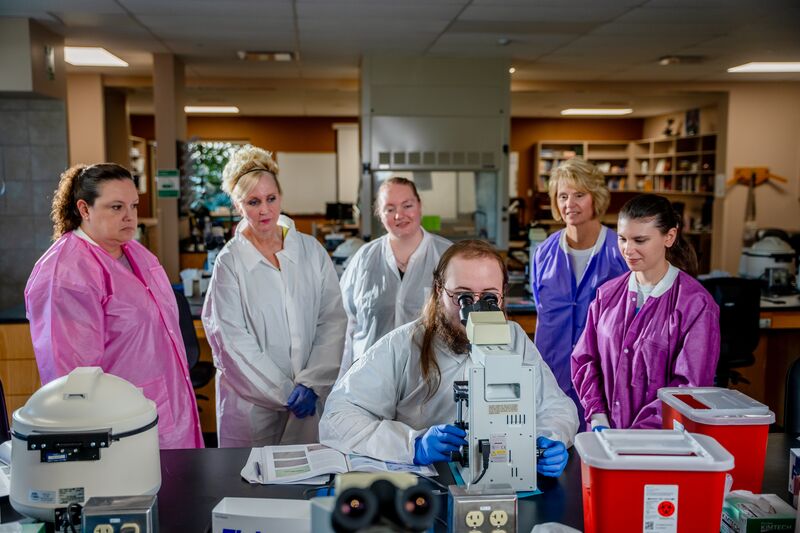
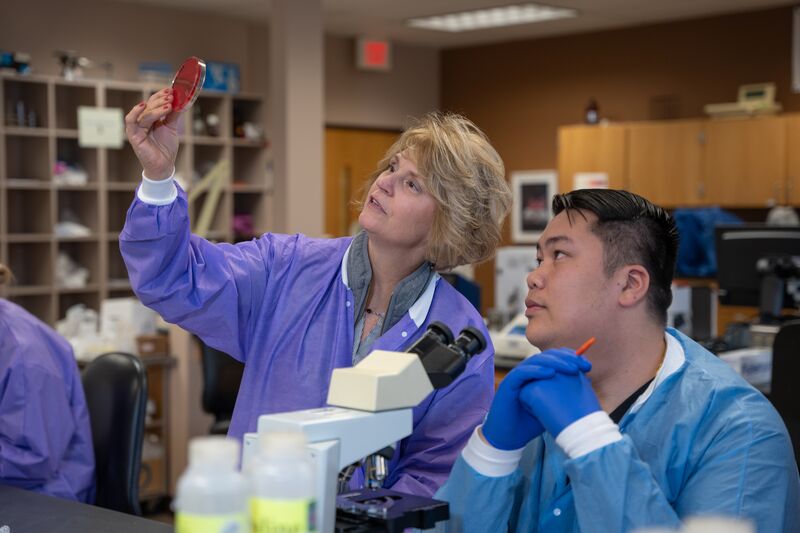
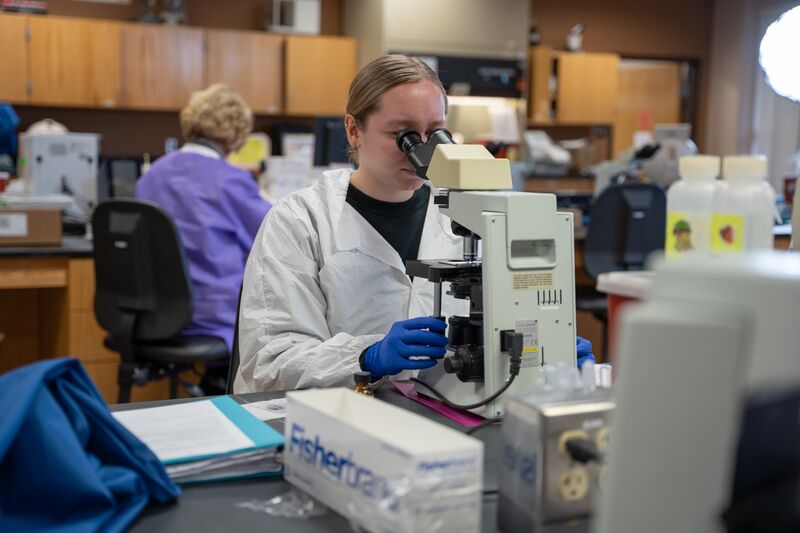
As a medical laboratory technician, you’ll analyze the blood, tissues and fluids in the human body with precision instruments, such as microscopes and automated analyzers. You’ll assist in complicated chemical, microscopic and bacteriological tests, including blood cholesterol level, microscopic examination of the blood to detect the presence of diseases and cultures of body fluid or tissue samples to determine the presence of bacteria, parasites or other microorganisms. Technicians may also type and cross-match blood samples. Medical technicians also collect blood samples.
Technicians employed in small laboratories often perform a variety of tests, while those in large labs may specialize in areas such as microbiology, parasitology, clinical chemistry, blood banking and hematology.
Program graduates are eligible to take the national certification exams given by the ASCP and NCA.
Start by applying to Stark State College.
Then, contact Corinne Zellers, program coordinator, at czellers@starkstate.edu to schedule an appointment and start the application process.
Then, contact SSC security at: https://www.starkstate.edu/about/security/background-check-information/ to schedule your own BCI and FBI background checks .
Note: See application for complete list of admission requirements.
View all estimated costs for the MLT program
The medical laboratory technology program is accredited by the National Accrediting Agency for Clinical Laboratory Sciences (NAACLS), which is sponsored by the American Society of Clinical Pathologists and the American Society (ASCLS) of Clinical Laboratory Scientists. NAACLS can be reached at:
5600 N River Rd
Suite 720
Rosemont, IL 60018
773-714-8880
naacls.org
Outcomes measures (2023-2025)
| Years | Graduation Rate | Attrition Rate | Job Placement |
|---|---|---|---|
| 2023 | 100% | 0% | 100% |
| 2024 | 100% | 0% | 86% |
| 2025 | 90% | 10% | 100% |
| 3-year average | 96% | 3.3% | 95.3% |
To make application to the program students must have:
- 2.5 GPA Minimum
- HS GPA within the last 5 years can be used with no prior college credit.
- “C” or better in MTH124 or equivalent placement score, or “C” or better in college level math course
- “B” or better in BIO101 or High School Biology (must be within 5 years) or “C” or better in BIO121, BIO122 or BIO123
Classes are held in-person with one class fully online.
The MLT program is 64 credit hours and takes five semesters or two years to complete.
Careers and outcomes
Students who graduate with an associate degree in MLT work in clinical laboratories within hospitals, doctors’ offices, research labs and even veterinary clinics. After working in a clinical laboratory some students pursue employment with medical instrumentation companies, where they can gain employment as sales reps or technical specialists.
According to U.S. Bureau of Labor Statistics “Employment of clinical laboratory technologists and technicians is projected to grow 5 percent from 2023 to 2033, about as fast as the average for all occupations. About 24,200 openings for clinical laboratory technologists and technicians are projected each year, on average, over the decade. Many of those openings are expected to result from the need to replace workers who transfer to different occupations or exit the labor force, such as to retire.” (https://www.bls.gov/ooh/healthcare/clinical-laboratory-technologists-and-technicians.htm)
Graduates from the program have found employment all over the nation.
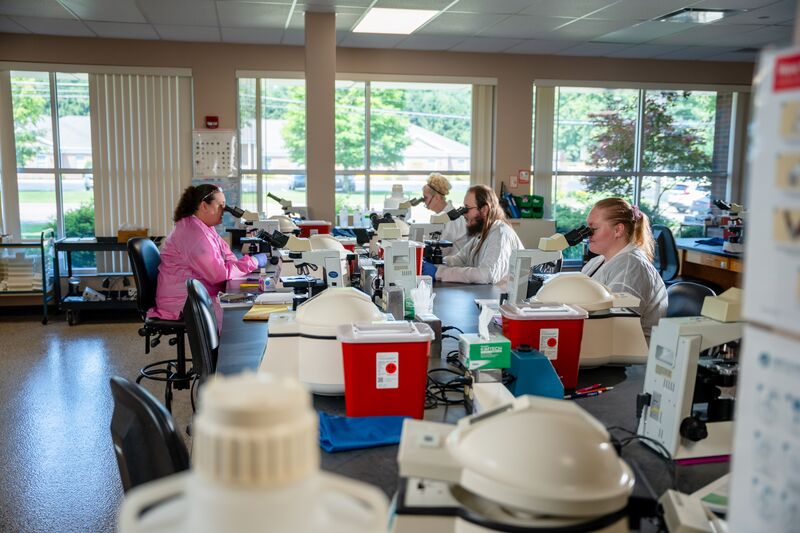
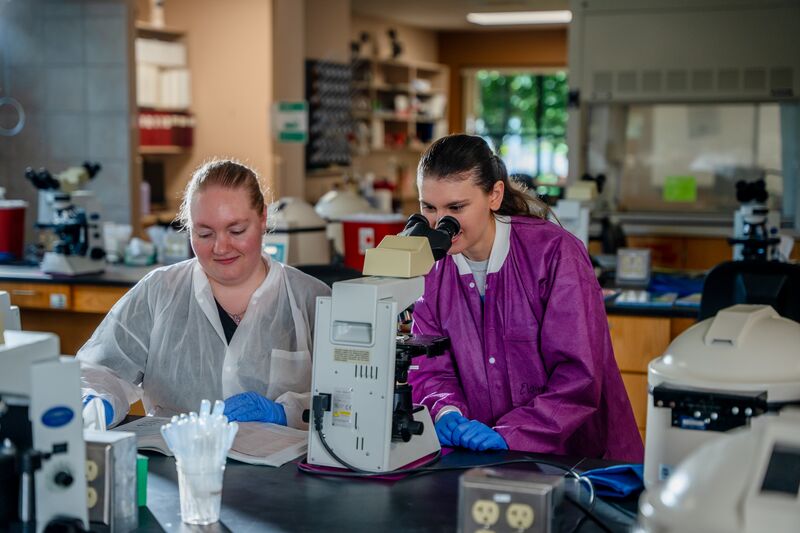
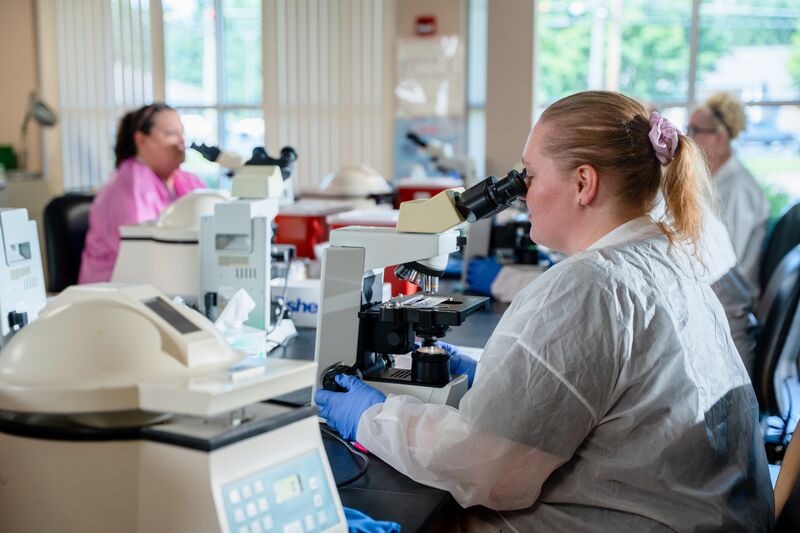
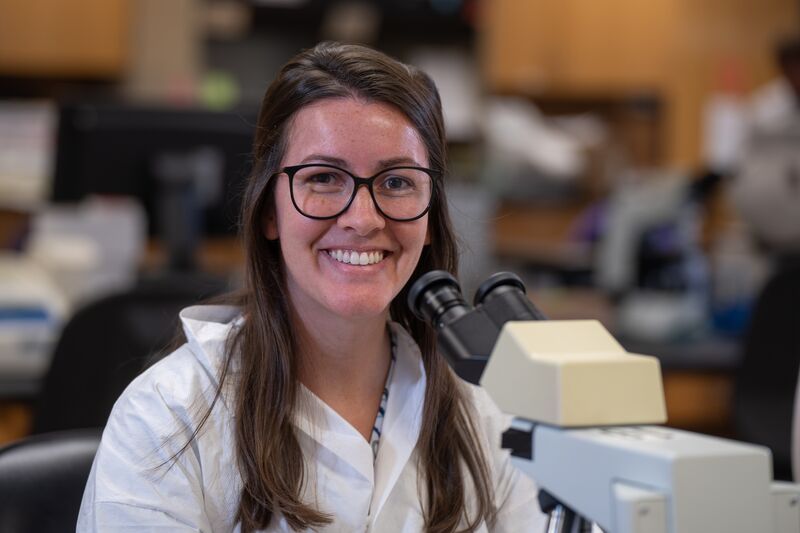
In the classroom
FAQs
It is possible for students to work full time and go to school however it is not recommended.
Yes, many colleges will take all of the credits earned in the MLT program and apply them to an MLS degree.
Yes, many colleges will take all of the credits earned in the MLT program and apply them to an MLS degree.
Stark State offers multiple ways for students to pursue prior learning credit. Prior Learning Assessment (PLA) can apply to knowledge gained from work experience; training programs and/or certifications; military service; and CLEP, IB or AP exams.
The average class size is 12-15 students in each cohort with an average of one instructor per five students.
Are there opportunities for internships, co-ops or hands-on experience?
The college provides many resources for students to be successful see the link below for a full list of offerings: https://www.starkstate.edu/current-students/
Related programs
Looking for more career options? Check out these other programs.
Lowest tuition around
Put your money toward your goals – not debt.
Stark State’s tuition costs up to 83% less than other area colleges and universities. Along with financial aid and scholarship opportunities, you gain the most value for your education without sacrificing quality.
Have a question or want more information?
We’re here to help. Complete the form below, and we’ll connect you with the information you need.
"*" indicates required fields
Scroll to section
Corinne Zellers
Program Coordinator for Medical Laboratory Technology
330-494-6170 ext. 4221
Take the next step
Whether you’re just starting out, making your college comeback or looking for a change, you belong at Stark State.