Physical therapist assistant (PTA)
Step confidently into a high-demand health care career. Stark State College’s PTA program trains you to deliver therapy services that help others improve movement and regain independence.
Program at a glance
DEGREE TYPE
Associate of Applied Science
PROGRAM FORMAT
Hybrid
LENGTH (FULL TIME)
5 semesters
CAREER COMMUNITY
Note: Many Stark State classes have online and in-person options, including required general education courses.
Program overview
Gain the skills, hands‑on training and clinical experience to help patients regain strength, mobility and independence.
As a PTA, you support physical therapists in their treatment plans and deliver direct care to your patients. Stark State’s PTA program trains you to be an efficient and effective contributor to any physical therapy team.
Program details
Physical therapy is a skill-oriented health profession. We based our PTA curriculum on building your competencies in three key areas:
- Manual skill performance in laboratory and clinical settings.
- Critical thinking and problem-solving.
- Affective attitudinal skills.
View the PTA student handbook to learn more about our program.
The Physical Therapist Assistant program at Stark State College is accredited by the Commission on Accreditation in Physical Therapy Education (CAPTE):
3030 Potomac Ave., Suite 100
Alexandria, Virginia 22305-3085
703-706-3245
accreditation@apta.org
https://www.capteonline.org/
Your first step starts with applying to Stark State College. Then, follow the steps outlined in the application checklist and program application.
Careers and outcomes
As a PTA, you can work at hospitals, outpatient clinics, sports medicine facilities, nursing homes, schools, home health agencies, community health agencies and other health-promoting institutions.
View Stark State’s PTA student outcomes.
In the classroom
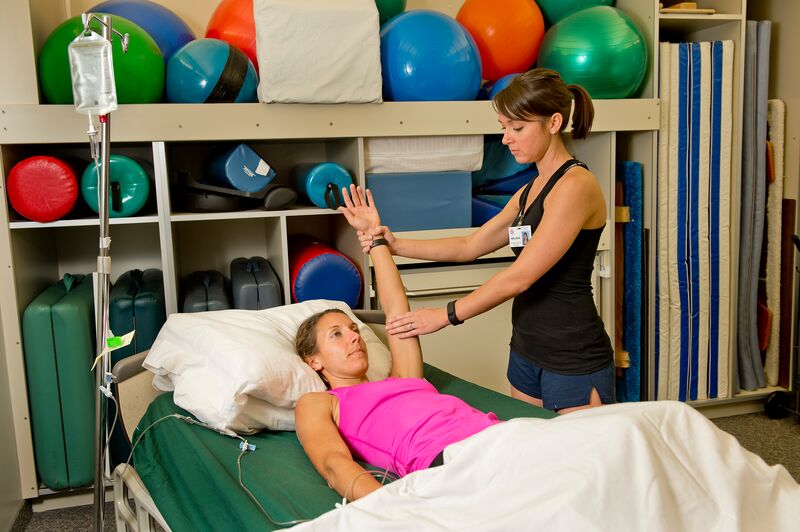
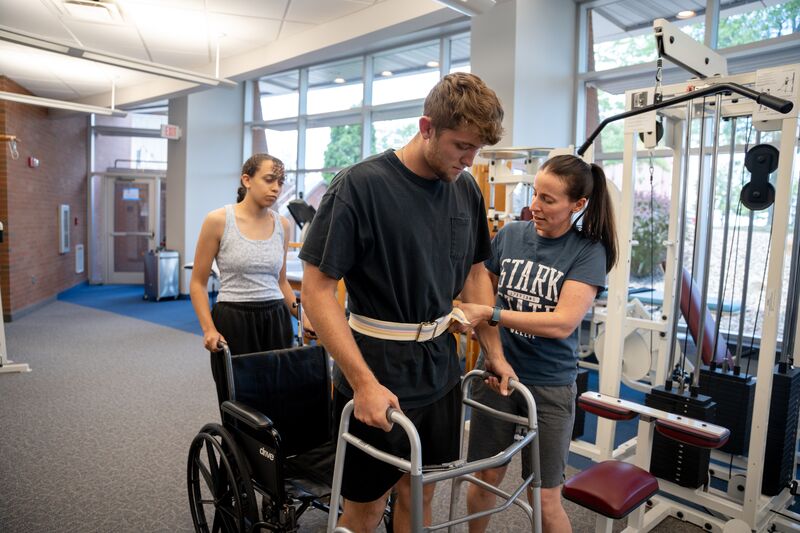
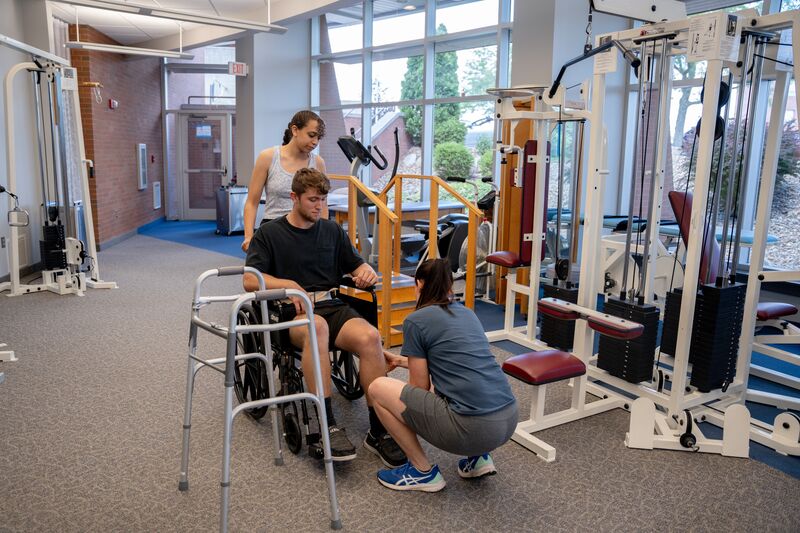
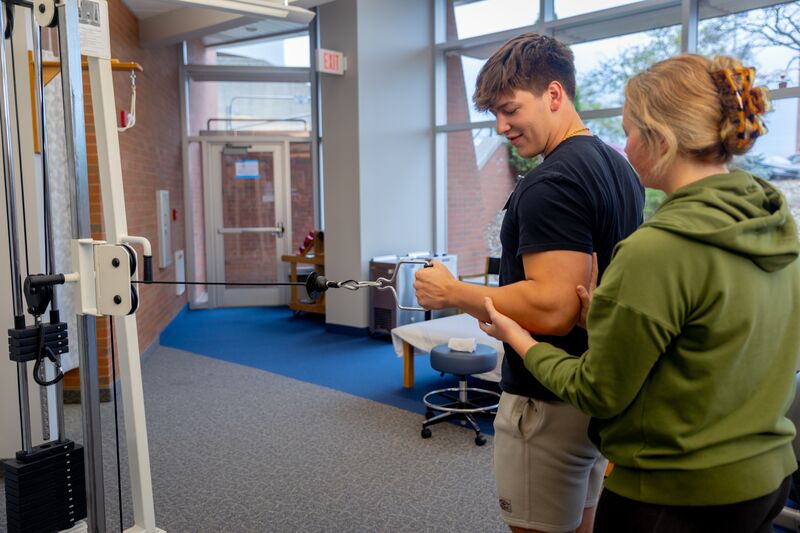
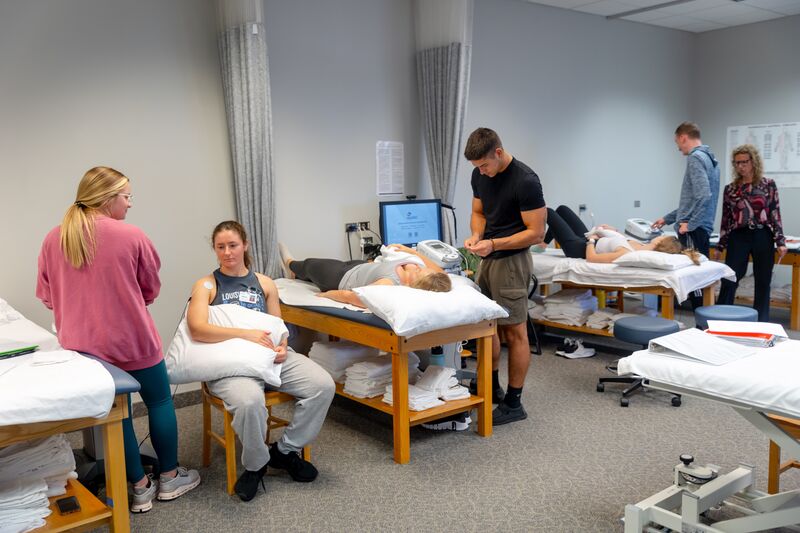
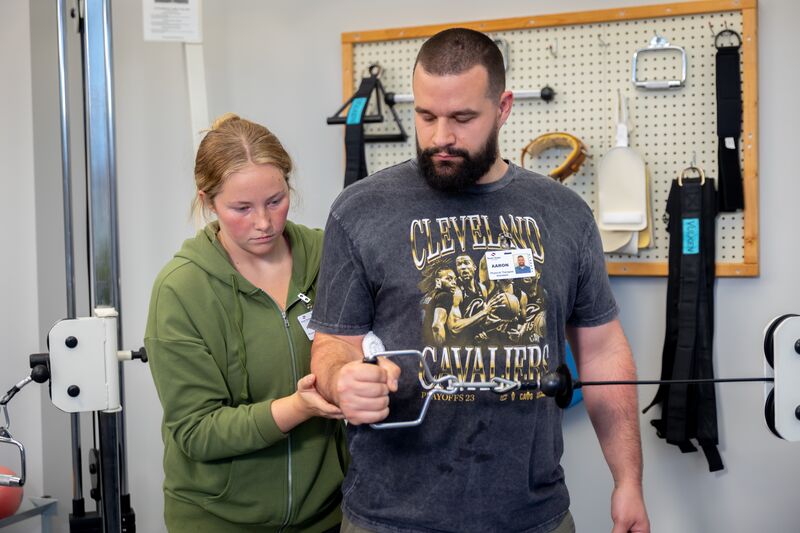
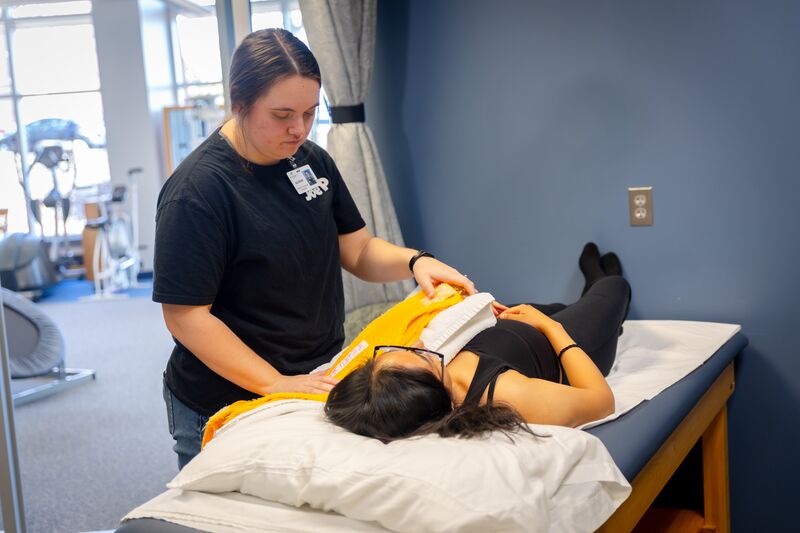
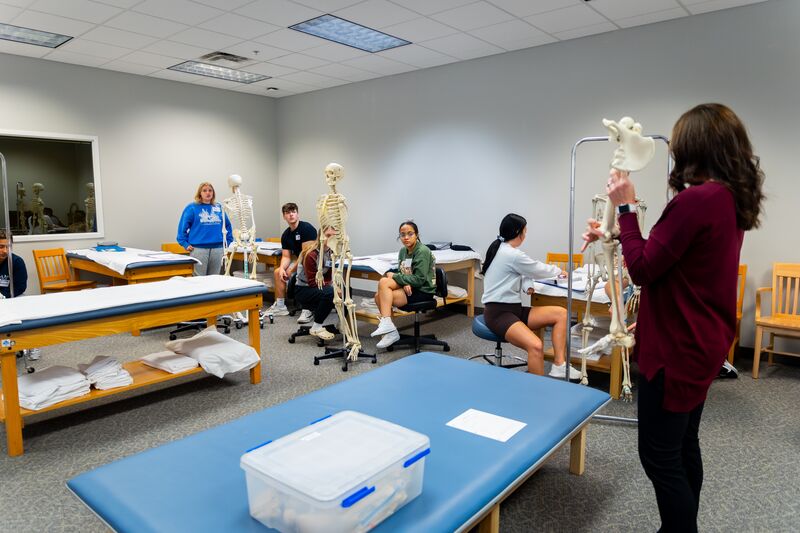
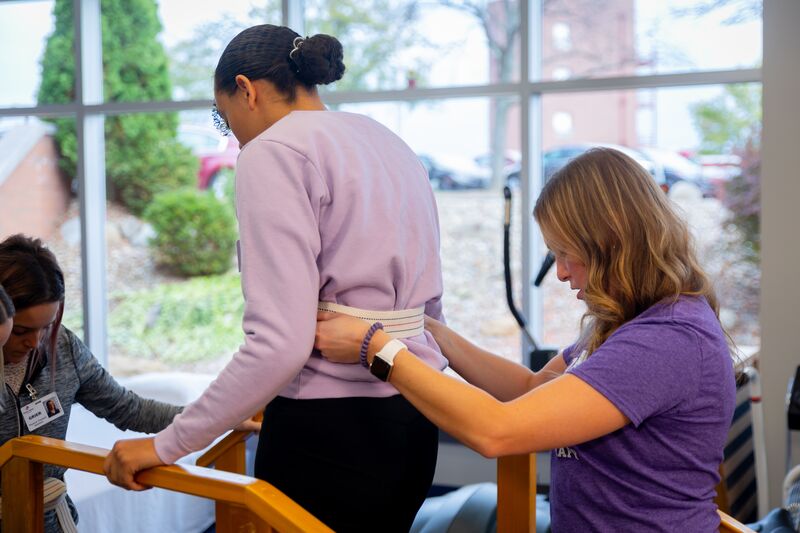
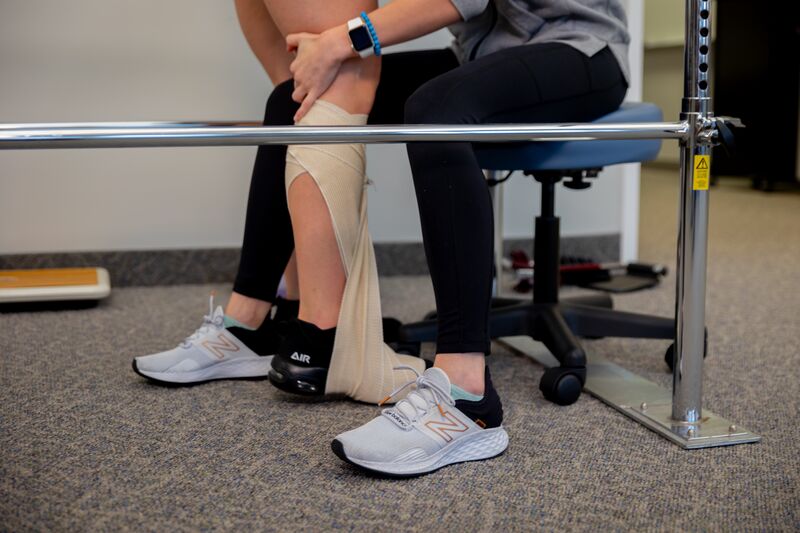
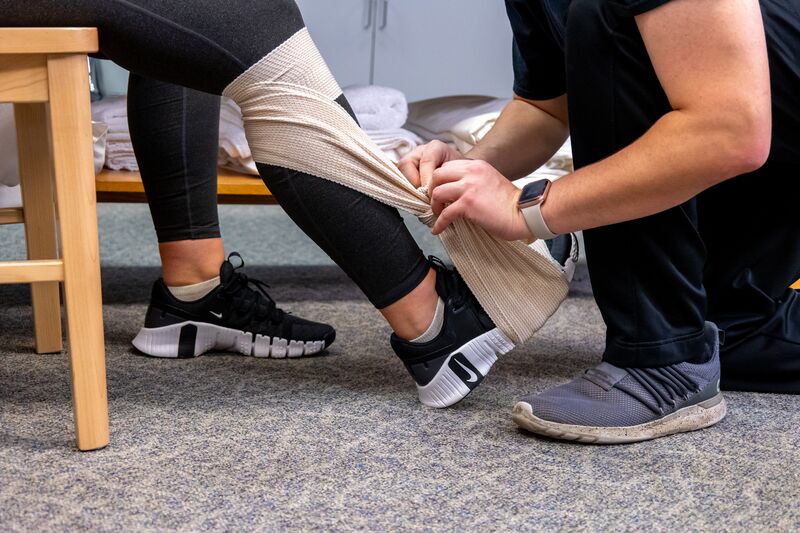
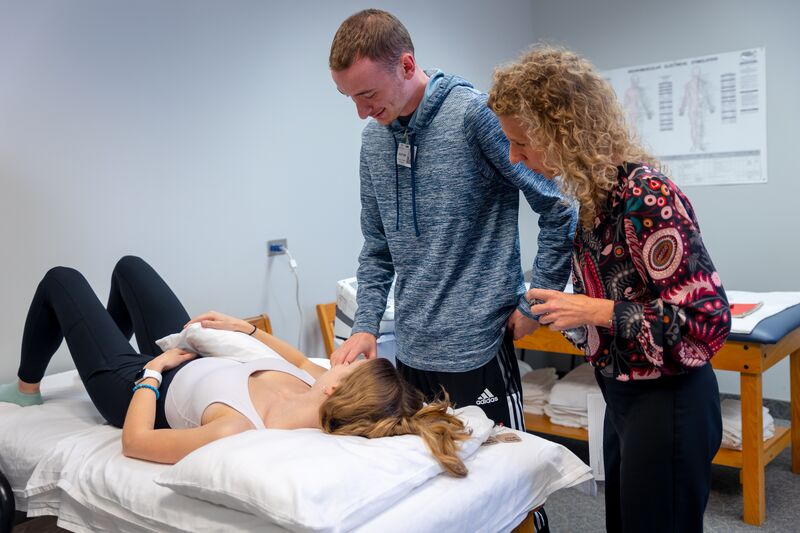
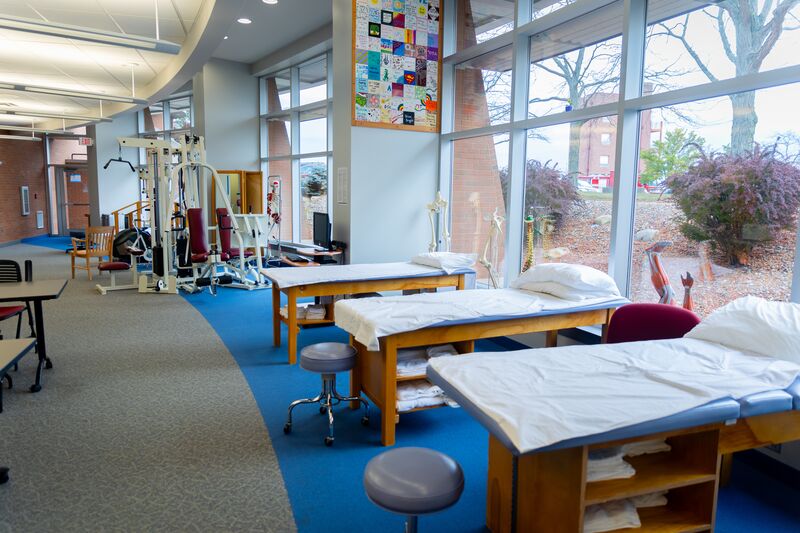
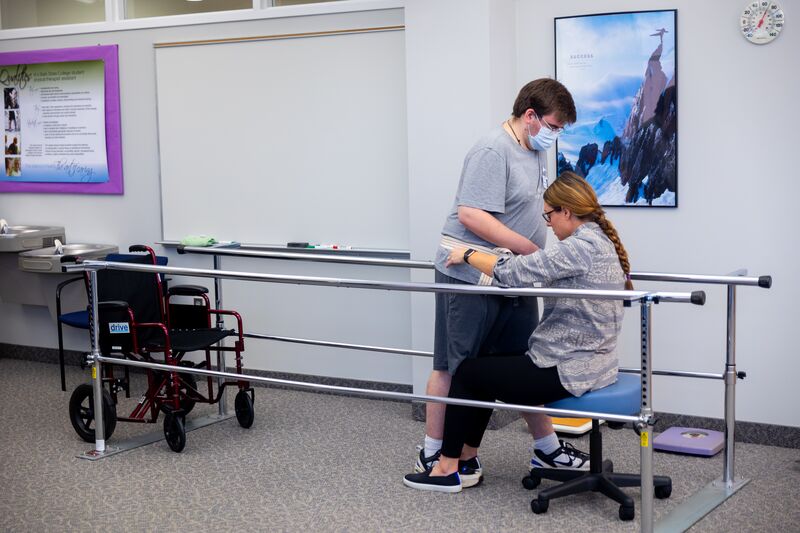
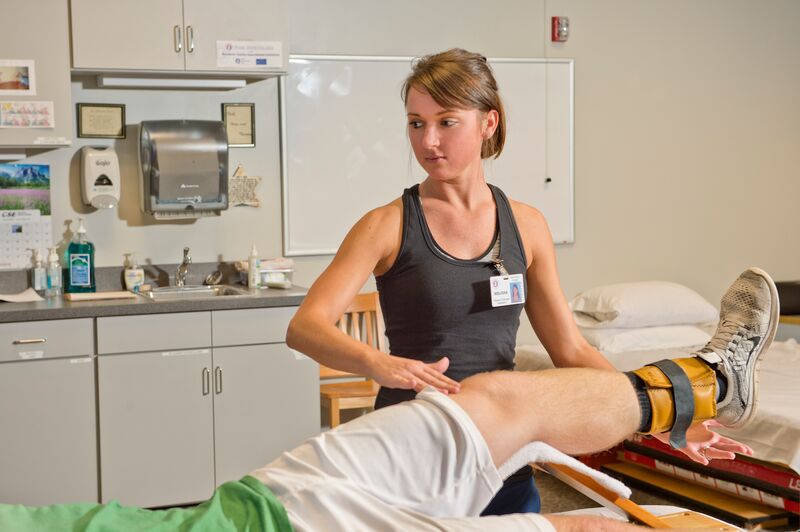
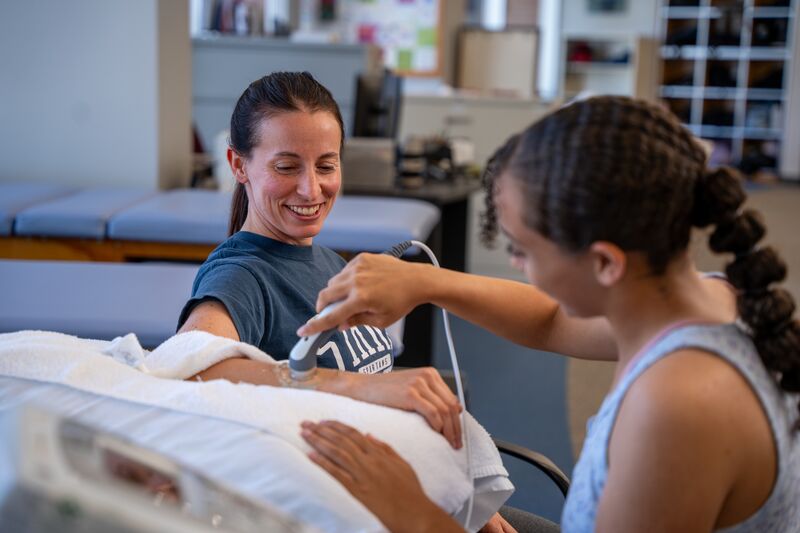
At Stark State College, our PTA program uses a dedicated learning space where you will practice real-world clinical skills using modern therapy equipment and evidence‑based techniques. It’s designed to mirror the environments you will encounter in outpatient clinics, hospitals and rehabilitation centers.
FAQs
PTAs work under the supervision of physical therapists to rehabilitate ill or injured persons to the highest possible level of independent living. They also help to educate patients and other people about measures they can take to prevent disability from occurring or becoming worse.
It’s their job to help therapists test patients to determine the extent of their capabilities. After the therapist sets goals and plans for patient treatment programs, PTAs may be assigned to perform selected treatments, using a variety of specialized equipment, various forms of heat, cold, light and electricity. Assistants may help patients perform therapeutic exercises to strengthen, stretch or relax muscles, promote circulation or enhance coordination.
PTAs help patients learn correct walking procedures and perform everyday activities such as dressing, getting in and out of bed and chairs, standing properly and using artificial limbs, braces and splints. They also teach patients and family members about exercises or other activities to continue at home.
PTAs are responsible for reporting patient reactions to treatment and making suggestions for modifying treatment to their supervising therapist. They also help with documentation of patient progress, perform certain clerical duties and help give on-the-job training to non-licensed personnel working in the physical therapy department.
Yes. You must apply and be accepted into the program. We start a new cohort each fall, but you can enroll at any time during the year.
It takes five semesters, or a minimum of two years, to complete the 65-credit-hour program after starting the technical PTA curriculum. Most students take some or all the required non-technical (general education) courses before starting the technical (PTA) courses. This strategy can strengthen your academic background and lighten the load to allow for full focus on the PTA courses.
View the estimated program costs for the academic year.
The Commission on Accreditation in Physical Therapy Education (CAPTE) also has a financial fact sheet.
No. You should apply to the program as soon as you complete all the application requirements. Talk to your advisor about the application process.
It’s highly advised but not required. Meet with your advisor to determine what makes the most sense for you.
While the schedule can vary from semester to academic year, lecture and lab classes are generally scheduled between 8 a.m. and 5:30 p.m. Monday through Friday.
You must accept assignments to clinical sessions during the day, and you’re highly encouraged to participate in all open labs provided by faculty. You may have to complete testing and/or laboratory examinations outside of class or lab time. The program does not have an online option.
Students typically range between 24 and 27 years old. But, that’s just the average. We welcome learners of all ages including those who are straight out of high school, those who have already completed a college degree, and those who are ready to start a second career and have work experience. But there is one caveat: Ohio Law requires that you must be at least 18 years old by the time you start your first clinical experience.
Complaints or concerns about the PTA program, PTA faculty, PTA students, PTA courses or curriculum, or performance of recent graduates should be addressed to the program coordinator:
Wallace Linville, PT, MA
Program Coordinator
330-494-6170 ext. 4619
wlinville@starkstate.edu
6200 Frank Ave NW, North Canton, OH 44720
Complaints or concerns about the PTA program coordinator should be addressed to the dean of the Heath and Public Services Division:
Dean Mallernee Dean
Heath and Public Services Division
330-494-6170 ext. 4483
dmallernee@starkstate.edu
6200 Frank Ave NW, North Canton, OH 44720
Complaints about the accreditation of the PTA program should be addressed to the Commission on Accreditation in Physical Therapy Education (CAPTE):
CAPTE
3030 Potomac Ave., Suite 10
Alexandria, Virginia 22305-3085
703-706-3245
accreditation@apta.org
www.capteonline.org
Criminal background checks are required prior to applying to a Stark State health sciences program, including our PTA program. If one or more disqualifying offenses appear on your background check, you may be ineligible to apply to a health sciences program at that time. For more information, please refer to the background check webpage or contact Stark State College Security.
You also will be required to undergo another criminal background check when you seek licensure in the state of Ohio. So, it’s possible to be admitted into the program and not be able to finish it or become licensed in the state of Ohio due to a past criminal conviction. Students with a history of a criminal background are advised to contact the Ohio OT PT AT Board and the department chair prior to starting the program.
Ohio OT PT AT Board
77 S. High Street, 16th Floor
Columbus, OH 43215-6108
Phone: (614) 466-3774
Fax: (614) 995-0816
TTY: (877) 644-6826
Email: board@otptat.ohio.gov
Related programs
Looking for more career options? Check out these other programs.
Lowest tuition around
Put your money toward your goals – not debt.
Stark State’s tuition costs up to 83% less than other area colleges and universities. Along with financial aid and scholarship opportunities, you gain the most value for your education without sacrificing quality.
Scroll to section
Wallace Linville
Department Chair, Therapy Programs
330-494-6170 ext. 4619
Take the next step
Whether you’re just starting out, making your college comeback or looking for a change, you belong at Stark State.